Cable
9 Result(s) foundElectrical Cable for Commercial & Industrial Applications
Electrical cable forms the backbone of compliant power, lighting and industrial installations across Australia. As a national electrical cable supplier Australia contractors rely on, CNW provides cable and wire suited to commercial switchboards, plant equipment, infrastructure and general building services. From main feeders to final subcircuits, selecting correctly rated cable ensures safe load handling, mechanical durability and long-term system performance.
Cable & Wire
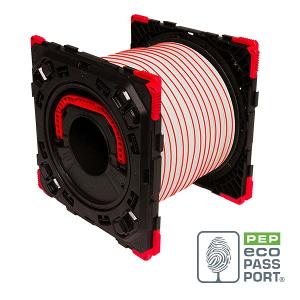
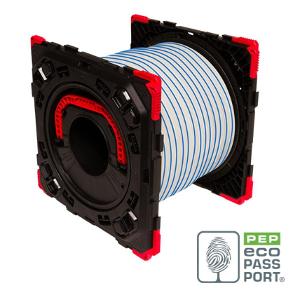
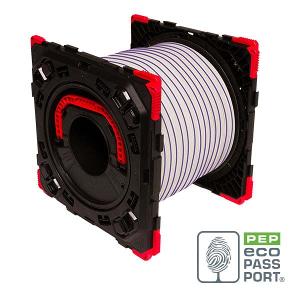
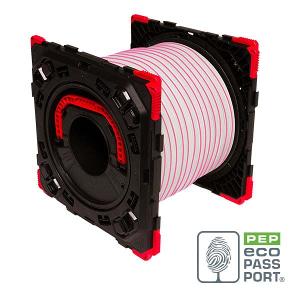
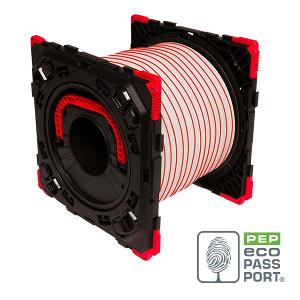
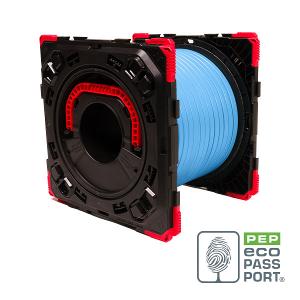
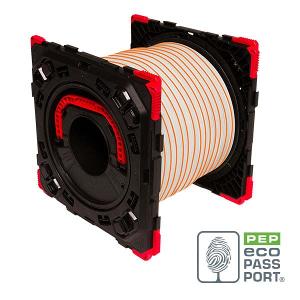
Shop our range of electrical cables and wires like twin and Earth cable, 2.5mm and 1.5mm cable from all the major brands: Electra, Kimberley, Clipsal, HPM and many more. Our cable products can cover any length, meet any specifications and tested to meet strict Australian Standards. At CNW Electrical Wholesale, you can rely on us to find and selected the best electrical cable and wiring for any job. Refine your online search by category and filter the results to find the best cable you need faster and easier.
What Is Electrical Cable Used For?
Electrical cable is used to transmit power from supply authorities through switchboards and into final circuits and connected equipment. It supports fixed building wiring, board-to-board links and machinery supply within commercial and industrial systems. Cables are commonly installed within protective containment such as conduit systems and fittings and secured using appropriate cable support solutions to maintain compliance and mechanical integrity.
Types of Electrical Cable
Twin & earth cable is widely used for fixed internal wiring in residential and light commercial applications.
Power cable is suited to higher current supply between switchboards, sub-boards and major plant.
Flexible cable is used where movement or vibration is present, including portable or mechanical equipment.
Armoured cable provides additional mechanical protection for exposed or underground installations.
Cable Selection Considerations
Correct cable sizing is essential to ensure current-carrying capacity and acceptable voltage drop. Selection should account for conductor size, installation method, grouping factors and ambient temperature. Voltage and insulation ratings must align with system requirements and environmental exposure. Compliance with Australian Standards is critical, particularly when integrating with protection devices inside electrical distribution systems and structured installation frameworks.
Integration Within Electrical Systems
Cable connects incoming supply to switchboards, feeds circuits protected by breakers and supports equipment across industrial facilities. It integrates with containment systems, board assemblies and control infrastructure. Renewable projects require appropriate connection to dedicated solar equipment, while communications networks rely on specialised cabling within the data category. This page provides an overview of core cable infrastructure rather than detailing those specialist systems.
Electrical cable remains a core infrastructure component across lighting, distribution and industrial projects, supporting safe and scalable electrical systems throughout Australia.
FAQs
How do I determine the correct cable size?
Cable size depends on load current, installation method, voltage drop limits and ambient conditions. Always verify ratings against Australian Standards and project requirements before installation.
What factors influence cable selection?
Consider conductor size, insulation type, voltage rating, environmental exposure and whether mechanical protection is required. Compatibility with switchboards and protection devices is also essential.
We can source just about anything, submit a request and we'll get back to you soon.